
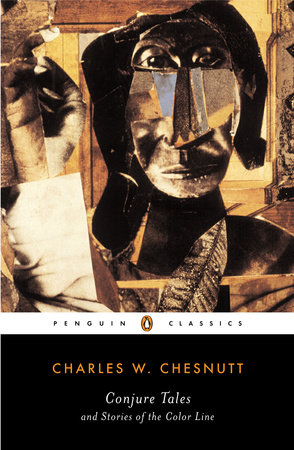

Conjure Tales and Stories of the Color Line

Introduction by William L. Andrews
Look inside
Paperback
$18.00 US
5.9"W x 7.7"H x 0.65"D  
On sale Jun 01, 2000 | 304 Pages | 9780141185026
Grades 9-12 + AP/IB

Unlike the popular "Uncle Remus" stories of Joel Chandler Harris, Charles W. Chesnutt's tales probe psychological depths in black people unheard of before in Southern regional writing. They also expose the anguish of mixed-race men and women and the consequences of racial hatred, mob violence, and moral compromise. This important collection contains all the stories in his two published volumes, The Conjure Woman and The Wife of His Youth, along with two uncollected works: the tragic "Dave's Neckliss" and "Baxter's Procustes", Chesnutt's parting shot at prejudice.

For more than seventy years, Penguin has been the leading publisher of classic literature in the English-speaking world. With more than 1,700 titles, Penguin Classics represents a global bookshelf of the best works throughout history and across genres and disciplines. Readers trust the series to provide authoritative texts enhanced by introductions and notes by distinguished scholars and contemporary authors, as well as up-to-date translations by award-winning translators.
Charles W. Chestnutt (1858–1932) was born in Cleveland, Ohio, where his family had moved from Fayettefille, North Carolina, to seek better economic opportunities. Shortly after the Civil War, they returned to Fayetteville, where Chesnutt spent most of his childhood and young adulthood. He taught in local public schools, eventually returning to Cleveland and being admitted to the bar. He established a legal stenography business yet found himself strongly attracted to writing fiction. He published two collections of short stories, The Conjure Woman and The Wife of His Youth and Other Stories of the Color Line (1890) and three widely reviewed novels, The House Behind the Cedars (1900), The Marrow of Tradition (1901), and The Colonel's Dream (1905), while devoting essays and speeches to agitation for civil rights for African Americans, especially in the South. Unable to support his family as a full-time writer, he resumed his business career but maintained until his death a respected role in African American letters. View titles by Charles W. Chesnutt
Introduction by William L. Andrews
Suggestions for Further Reading
A Note on the Text

The Goophered Grapevine
Po' Sandy
Mars Jeems's Nightmare
The Conjurer's Revenge
Sis' Becky's Pickaninny
The Gray Wolf's Ha'nt
Hot-Foot Hannibal
Dave's Neckliss
The Wife of His Youth
Her Virginia Mammy
The Sheriff's Children
A Matter of Principle
Cicely's Dream
The Passing of Grandison
Uncle Wellington's Wives
The Bouquet
The Web of Circumstance
Baxter's Procrustes

About

Unlike the popular "Uncle Remus" stories of Joel Chandler Harris, Charles W. Chesnutt's tales probe psychological depths in black people unheard of before in Southern regional writing. They also expose the anguish of mixed-race men and women and the consequences of racial hatred, mob violence, and moral compromise. This important collection contains all the stories in his two published volumes, The Conjure Woman and The Wife of His Youth, along with two uncollected works: the tragic "Dave's Neckliss" and "Baxter's Procustes", Chesnutt's parting shot at prejudice.

For more than seventy years, Penguin has been the leading publisher of classic literature in the English-speaking world. With more than 1,700 titles, Penguin Classics represents a global bookshelf of the best works throughout history and across genres and disciplines. Readers trust the series to provide authoritative texts enhanced by introductions and notes by distinguished scholars and contemporary authors, as well as up-to-date translations by award-winning translators.

Author

Charles W. Chestnutt (1858–1932) was born in Cleveland, Ohio, where his family had moved from Fayettefille, North Carolina, to seek better economic opportunities. Shortly after the Civil War, they returned to Fayetteville, where Chesnutt spent most of his childhood and young adulthood. He taught in local public schools, eventually returning to Cleveland and being admitted to the bar. He established a legal stenography business yet found himself strongly attracted to writing fiction. He published two collections of short stories, The Conjure Woman and The Wife of His Youth and Other Stories of the Color Line (1890) and three widely reviewed novels, The House Behind the Cedars (1900), The Marrow of Tradition (1901), and The Colonel's Dream (1905), while devoting essays and speeches to agitation for civil rights for African Americans, especially in the South. Unable to support his family as a full-time writer, he resumed his business career but maintained until his death a respected role in African American letters. View titles by Charles W. Chesnutt

Table of Contents

Introduction by William L. Andrews
Suggestions for Further Reading
A Note on the Text

The Goophered Grapevine
Po' Sandy
Mars Jeems's Nightmare
The Conjurer's Revenge
Sis' Becky's Pickaninny
The Gray Wolf's Ha'nt
Hot-Foot Hannibal
Dave's Neckliss
The Wife of His Youth
Her Virginia Mammy
The Sheriff's Children
A Matter of Principle
Cicely's Dream
The Passing of Grandison
Uncle Wellington's Wives
The Bouquet
The Web of Circumstance
Baxter's Procrustes

Books for Black History Month

In honor of Black History Month this February, we are highlighting essential fiction and nonfiction for students, teachers, and parents to share and discuss this month and beyond. Join Penguin Random House Education in celebrating the contributions of Black authors and illustrators by exploring the titles here: BLACK HISTORY – MIDDLE SCHOOL BLACK HISTORY –

Read more