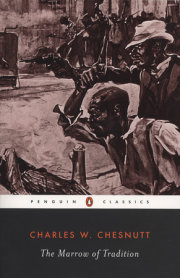
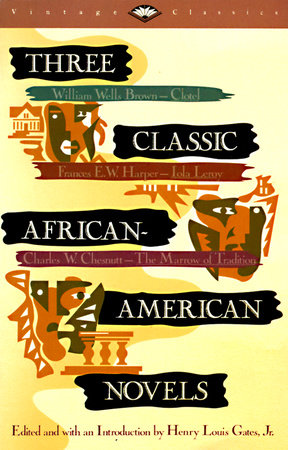
Originally published between 1853 and 1901, these three novels represent the beginnings of the black literary tradition in the United States. They have now been collected in one volume for the first time, edited and with and introduction by Henry Louis Gates, Jr.
Clotel, or The President's Daughter by William Wells Brown (1853). Written by an escaped slave, this novel is the gripping account of the ordeals of a mulatto woman purported to be the daughter of Thomas Jefferson. Iola Leroy, or Shadows Uplifted by Frances E.W. Harper (1892). In this pioneering work of the black woman's literary movement, a light-skinned black woman is raised as a free white, only to be tricked into slavery. The Marrow of Tradition by Charles W. Chesnutt (1901). This suspenseful masterpiece tells of a sensitive African-American doctor facing the realities of segregation and racial terror in the Reconstructive South.
William Wells Brown (ca. 1814–1884) was an abolitionist and social reformer best remembered as the United States’ first black novelist and playwright, as well as one of the earliest African-American historians. After escaping from slavery on New Year’s Day in 1834, he went on to publish a bestselling memoir, a collection of antislavery songs, the novel Clotel, and many other highly regarded works.
View titles by William W. Brown
Frances Ellen Watkins Harper is one of the true unsung heroes on the 19th century. Harper was an African American abolitionist, suffragist, poet, and author. A principal member of the Woman's Christian Temperance Union, Harper was a chief leader in petitioning the federal government into taking a greater role in progressive reform. Some of her titles include Trial and Triumph; Iola Leroy, or Shadows Uplifted; and Sowing and Reaping. Harper was born in 1825 and died in 1911.
View titles by Frances Ellen Watkins Harper
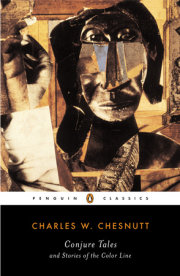
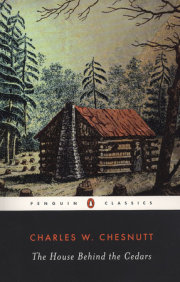
Charles W. Chestnutt (1858–1932) was born in Cleveland, Ohio, where his family had moved from Fayettefille, North Carolina, to seek better economic opportunities. Shortly after the Civil War, they returned to Fayetteville, where Chesnutt spent most of his childhood and young adulthood. He taught in local public schools, eventually returning to Cleveland and being admitted to the bar. He established a legal stenography business yet found himself strongly attracted to writing fiction. He published two collections of short stories, The Conjure Woman and The Wife of His Youth and Other Stories of the Color Line (1890) and three widely reviewed novels, The House Behind the Cedars (1900), The Marrow of Tradition (1901), and The Colonel's Dream (1905), while devoting essays and speeches to agitation for civil rights for African Americans, especially in the South. Unable to support his family as a full-time writer, he resumed his business career but maintained until his death a respected role in African American letters.
View titles by Charles W. Chesnutt
Originally published between 1853 and 1901, these three novels represent the beginnings of the black literary tradition in the United States. They have now been collected in one volume for the first time, edited and with and introduction by Henry Louis Gates, Jr.
Clotel, or The President's Daughter by William Wells Brown (1853). Written by an escaped slave, this novel is the gripping account of the ordeals of a mulatto woman purported to be the daughter of Thomas Jefferson. Iola Leroy, or Shadows Uplifted by Frances E.W. Harper (1892). In this pioneering work of the black woman's literary movement, a light-skinned black woman is raised as a free white, only to be tricked into slavery. The Marrow of Tradition by Charles W. Chesnutt (1901). This suspenseful masterpiece tells of a sensitive African-American doctor facing the realities of segregation and racial terror in the Reconstructive South.
Author
William Wells Brown (ca. 1814–1884) was an abolitionist and social reformer best remembered as the United States’ first black novelist and playwright, as well as one of the earliest African-American historians. After escaping from slavery on New Year’s Day in 1834, he went on to publish a bestselling memoir, a collection of antislavery songs, the novel Clotel, and many other highly regarded works.
View titles by William W. Brown
Frances Ellen Watkins Harper is one of the true unsung heroes on the 19th century. Harper was an African American abolitionist, suffragist, poet, and author. A principal member of the Woman's Christian Temperance Union, Harper was a chief leader in petitioning the federal government into taking a greater role in progressive reform. Some of her titles include Trial and Triumph; Iola Leroy, or Shadows Uplifted; and Sowing and Reaping. Harper was born in 1825 and died in 1911.
View titles by Frances Ellen Watkins Harper
Charles W. Chestnutt (1858–1932) was born in Cleveland, Ohio, where his family had moved from Fayettefille, North Carolina, to seek better economic opportunities. Shortly after the Civil War, they returned to Fayetteville, where Chesnutt spent most of his childhood and young adulthood. He taught in local public schools, eventually returning to Cleveland and being admitted to the bar. He established a legal stenography business yet found himself strongly attracted to writing fiction. He published two collections of short stories, The Conjure Woman and The Wife of His Youth and Other Stories of the Color Line (1890) and three widely reviewed novels, The House Behind the Cedars (1900), The Marrow of Tradition (1901), and The Colonel's Dream (1905), while devoting essays and speeches to agitation for civil rights for African Americans, especially in the South. Unable to support his family as a full-time writer, he resumed his business career but maintained until his death a respected role in African American letters.
View titles by Charles W. Chesnutt