From Stonewall Honoree Cory McCarthy, joyful, affectionate, read-in-one-sitting novel about letting go of the things we can’t change and holding on to the passion of our instincts.

On the far side of a swift and unknowable apocalypse, a few sapiens are surviving off the last scraps of humanity. No longer recognizable as Cape Cod, the dunes of their archipelago are empty apart from regrets and ruins—until West blows in like a storm.

West is a prophet of instinct, the last amateur anthropologist, ever aware of being present in life. He can’t help but move through Ani’s rage, Karen’s anxiety, and Emil’s immense longing with curiosity and care. West’s unbridled love and grief challenge the survivors to defy extinction with the most beautifully human thing imaginable: a family.

He may even impress Death.

★ “Simultaneously tragic, existentially terrifying, heartwarming, and sensual."—Kirkus, starred review

© Cory McCarthy
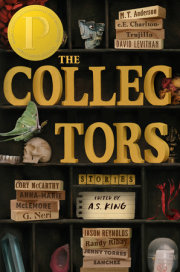
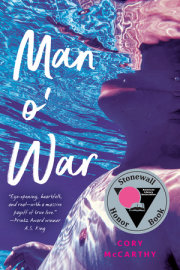
Cory McCarthy (he/they) is the award-winning author of numerous bestselling and award winning books for young readers, including Hope Is an Arrow, about fellow Arab American Kahlil Gibran, and Man o' War, a Stonewall Honor Book. He also contributed to the Michael L. Printz Award winning anthology The Collectors: Stories. Cory studied poetry and screenwriting before falling in love with writing for young adults at Vermont College of Fine Arts, where he now teaches. View titles by Cory McCarthy
West lets go.

The crab line soars from his hand, baited by a child’s boot. It drops into the frothed surf of the old jetty. He draws the line in a little, making sure it hasn’t hooked in a barnacly cranny, and secures it to the yacht. They drift close to the stone breakwall but waking the old drunk with new-dead breakfast is worth the risk.

Crabs scuttle beneath. Pinprick shadows, dancing claws. Ravenous little breeders, over-bloom from the buffet at the bottom of the food chain collapse.

Wind assails the yacht, West, the shore. It frazzles skeletal shrubbery and shows off half-standing beach homes full of forgotten corpses.

Pilings jut out of low tide, heaving emerald seaweed with each wave, trying to get the taste of humanity out of their mouths.

Across the water, a flash.

Movement beyond the rhythm of the sea. West stands taller, squints.

This wind sings. No lyrics or melody, but a white noise wail. After is a good word for a world without sunlight, though West calls this age and its impenetrable gray sky Post.

West strips out of his shorts and dives off the stern. The sea fucks him with cold. All over, all at once. He yawps a concussion of bubbles. He loves this sinking, body steaming, releasing. A forever feeling. Some instincts run so deep they survive everything untouched.

West collects them.

The yacht rocks as West dives off.

Captain pisses across the toilet seat.

“You old drunk,” he tells the bathroom mirror. The bathroom mirror tells him about his shirt that won’t button up the middle. Age rounds his chest like a hull. His teeth are purple from the case of buffet wine he pillaged from a run-aground cruise ship with hardly any bodies on it.

“Drinking’s going to kill you,” he reminds the mirror, and the mirror winks. “That’s the plan.”

He giggles and wishes he had a gun with one bullet.

He settles for his life mantra: IF ALCOHOL, WHY PAIN?

Captain hoists himself to the deck and spots West naked in the water. The youth is all angles, possibly from worms. Best not to get attached. “You in the water means there’s nothing to eat, is that so?”

West swims back to the yacht. “So grumpy!” he shouts.

“So hungry!” Captain returns.

West hauls his lanky body back into the boat. “What’d people call it when you were so hungry you got mean? There was a funny word. What was it? My mom always said it.”

Captain spits yellow. “Bitchy?”

West fetches his crab line and gives it a tug. There’s something on. Something big. He cries out and draws in the line hand over fist. “Could be a monster lobster or— ”

“A fucking tire. If it’s another tire, I’m eating you.”

It is neither lobster nor tire. West’s arms are rock tight on the line. The catch is huge. It squirms, fights, flags. He holds on longer, such a simple tonic for survival, but tried and true.

“It’s a damn seal!” Captain shouts, squinting at its shape, wreathed in the garlands of seaweed it’s being hauled through. “Don’t bring it on deck, fool! They bite!”

West’s momentum tears the streamlined creature out of the water. It flops in the bloody fish bay, covered in pulpy green weeds. He leaps away from the thrashing body.

Captain picks up the baseball bat— and West shouts, “Stop! Look. Fingers, not flippers.”

Captain lowers the bloody club. The sea creature throws a tantrum to get out from under the algae. “You caught a goddamn mermaid,” he mutters.

“No.” West blinks. “A kid!”

Free from seaweed, the naked child has matted hair and the kind of blue eyes that cut. The kid squawks and clambers on the edge of the yacht like a furious seagull, unwilling to leave without something good for all this trouble.

Captain goes thoughtful. “Do you boil kid like lobster or maybe a crab fry? Looks to be tender meat. Enough for a week.”

“Captain,” West mutters. “What if the child understands you?”

“How?” Captain hollers, and the littler one howls back, showing missing teeth.

“Hi there,” West tries, steps closer. “Do you talk? You hungry?” The kid snarls and hisses. One clawed hand lashes out and leaves red stripes down West’s chest. “Ouch!”

“Serves you right,” Captain slurs. He uses the long metal hook for bringing in big fish to push the kid toward the water. The kid sets the boot in his jaws, grabs the hook out of Captain’s hands, and leaps into the ocean with it.

Captain strings curses at the chopping waves.

West squints at the gray, endlessly tossing depths, waiting for the tiny thing to resurface. Did the kid hold on to the hook and drown? Seems likely. This wild one could have let go of his crab line too. How much of being feral is tenaciousness?

Finally, a plastered blond head lifts in the shallows by the old jetty. A skinny form scuttles up the beach, dragging the hook, wearing the boot.

West tries to imagine being small and only knowing Post. He was in sixth grade when civilization collapsed, and yet he can talk and have relationships . . . Sure, Captain was a monster when West first got on board, but the man had been alone for ages.

Captain notices how close they’ve drifted to the rotting pilings and seaweed-choked jetty. He shouts orders that are mostly burp accents. He slumps into the leather throne before the wheel and steers them clear of danger.

A large black shape glides beneath them.

West stands behind Captain. “We should have tried to keep the kid or at least offer food?”

“Throw back the little ones. They die easy. Then you feel sad. I don’t like to feel feelings.” Captain uncorks a dusty bottle of red. “So we drink breakfast! ‘Little Red Corvette’!”

Always Prince when he drowns himself in wine.

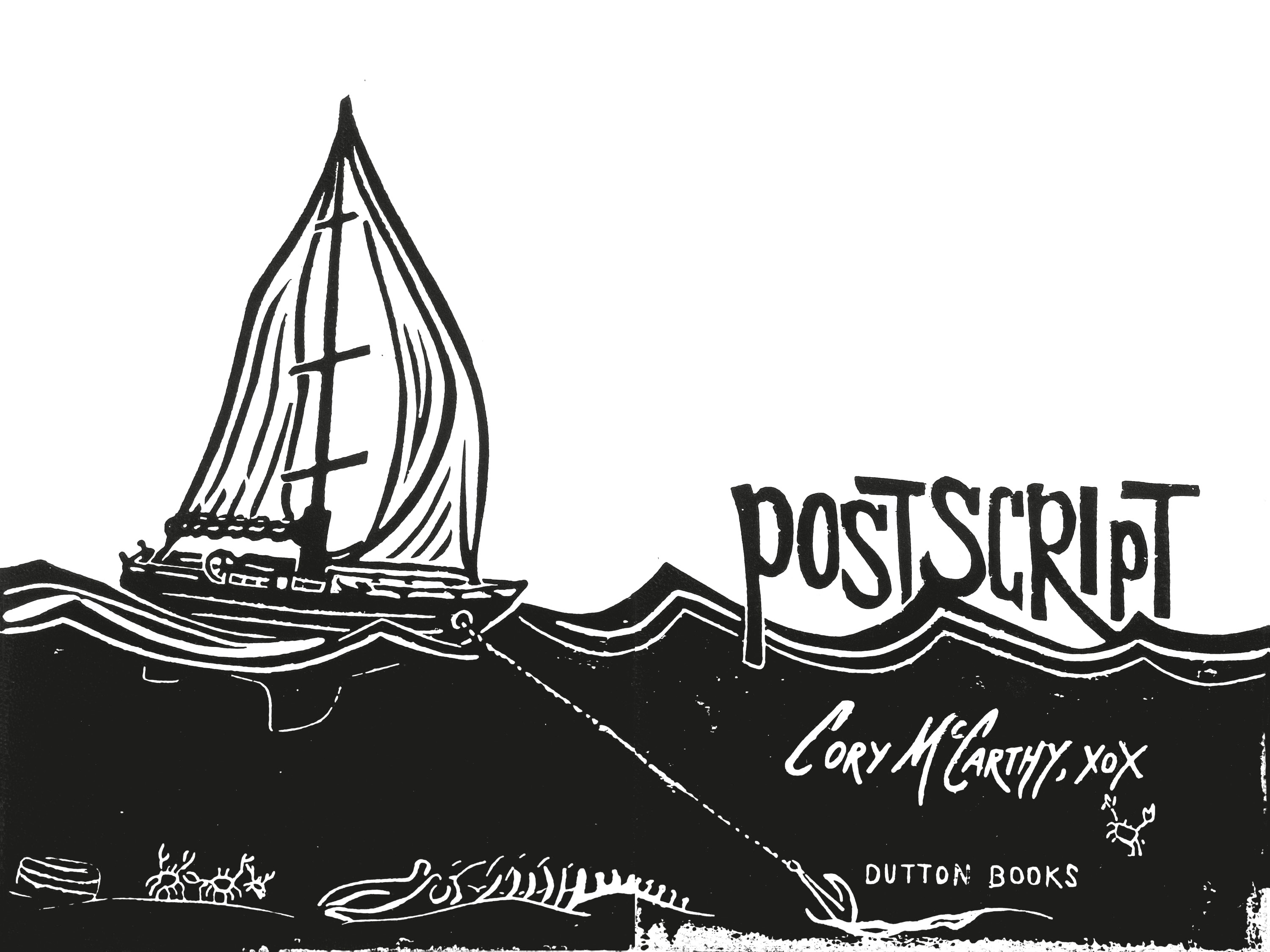
West catches movement on the horizon—a white triangle. He grabs the binoculars and looks: a full sail shining like a time machine.

“Someone.” He points, voice pregnant. “Look.”

Captain lifts his head, an old sea lion who will bite if this is not worth it— but a sailboat is worth it. He looks through the binoculars. “Someone that pretty has things to trade. Follow.” He totters belowdecks to change his clothes fifteen times. “Use all the juice we got left!”

West takes over the wheel but not the throne. He eyes the sole bar of battery left to run the motor. If this sailboat wants to, she’ll lose them in no time—

In no time?

There is no time.

Time needs humans to believe in it.
"Extraordinary in both senses of the word—Postscript is a startling, loving, devastating story for us all. I hope it's not too late."—David Levithan, New York Times bestselling author of Every Day

"Postscript
is wholly original, gorgeously rendered, and so full of passion and pathos, it left me aching. It’s an actual tour de force."—Becky Albertalli, New York Times bestselling author of Simon vs the Homo Sapiens Agenda

"An incandescent work of art and a glorious coda for humanity. This is the most cathartic book I’ve ever read. It’s also a stunning masterpiece of humor, feeling, philosophy, and no-holds-barred romance. Above all, it’s an ode to instinct. Postscript has the power to realign your life. You should let it."—A. R. Capetta, Lambda-Award winning author of The Heartbreak Bakery

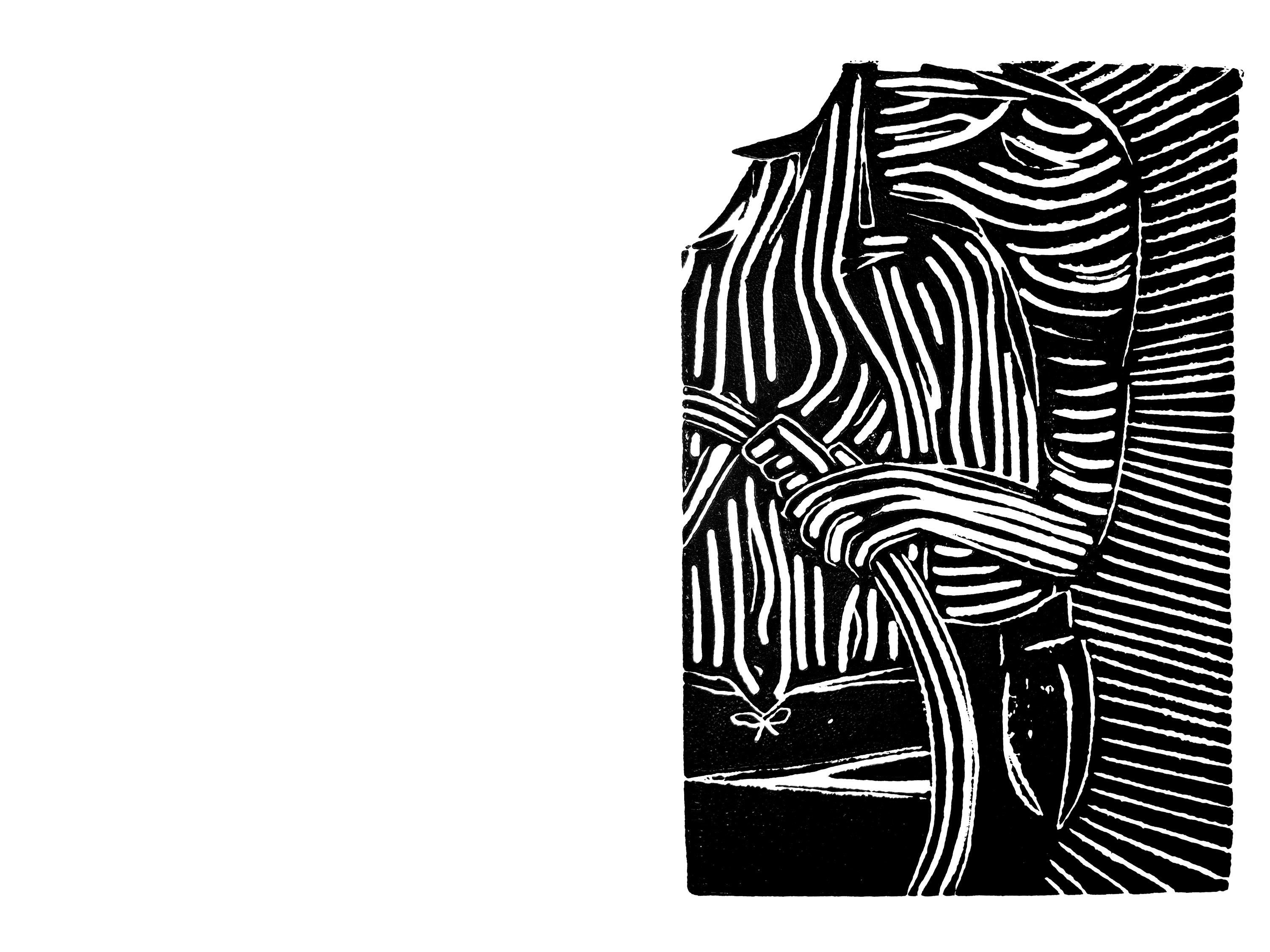
★ "Simultaneously tragic, existentially terrifying, heartwarming, and sensual, the narrative blends these contradictions into a compact, beautiful, and well-wrought whole.... McCarthy’s striking black-and-white illustrations adorn the text and offer more content for readers to ponder. A deep story to read on an overcast afternoon while contemplating existence."—Kirkus, starred review

★ "Evokes Francesca Lia Block.... Give this to fans of Marcus Sedgwick, Margaret Atwood’s MaddAddam Trilogy, and The Last of Us."—SLJ, starred review

"Deeply meditative.... A beautiful exploration of humanity."—Booklist

"A radical and defiant celebration of bliss in a time and place where that should be impossible."—BCCB

"Luminous . . . a poetic apocalypse narrative that explores grief, found family, and healing through community."—Publishers Weekly
additional book photo

About

From Stonewall Honoree Cory McCarthy, joyful, affectionate, read-in-one-sitting novel about letting go of the things we can’t change and holding on to the passion of our instincts.

On the far side of a swift and unknowable apocalypse, a few sapiens are surviving off the last scraps of humanity. No longer recognizable as Cape Cod, the dunes of their archipelago are empty apart from regrets and ruins—until West blows in like a storm.

West is a prophet of instinct, the last amateur anthropologist, ever aware of being present in life. He can’t help but move through Ani’s rage, Karen’s anxiety, and Emil’s immense longing with curiosity and care. West’s unbridled love and grief challenge the survivors to defy extinction with the most beautifully human thing imaginable: a family.

He may even impress Death.

★ “Simultaneously tragic, existentially terrifying, heartwarming, and sensual."—Kirkus, starred review

Author

© Cory McCarthy
Cory McCarthy (he/they) is the award-winning author of numerous bestselling and award winning books for young readers, including Hope Is an Arrow, about fellow Arab American Kahlil Gibran, and Man o' War, a Stonewall Honor Book. He also contributed to the Michael L. Printz Award winning anthology The Collectors: Stories. Cory studied poetry and screenwriting before falling in love with writing for young adults at Vermont College of Fine Arts, where he now teaches. View titles by Cory McCarthy

Excerpt

West lets go.

The crab line soars from his hand, baited by a child’s boot. It drops into the frothed surf of the old jetty. He draws the line in a little, making sure it hasn’t hooked in a barnacly cranny, and secures it to the yacht. They drift close to the stone breakwall but waking the old drunk with new-dead breakfast is worth the risk.

Crabs scuttle beneath. Pinprick shadows, dancing claws. Ravenous little breeders, over-bloom from the buffet at the bottom of the food chain collapse.

Wind assails the yacht, West, the shore. It frazzles skeletal shrubbery and shows off half-standing beach homes full of forgotten corpses.

Pilings jut out of low tide, heaving emerald seaweed with each wave, trying to get the taste of humanity out of their mouths.

Across the water, a flash.

Movement beyond the rhythm of the sea. West stands taller, squints.

This wind sings. No lyrics or melody, but a white noise wail. After is a good word for a world without sunlight, though West calls this age and its impenetrable gray sky Post.

West strips out of his shorts and dives off the stern. The sea fucks him with cold. All over, all at once. He yawps a concussion of bubbles. He loves this sinking, body steaming, releasing. A forever feeling. Some instincts run so deep they survive everything untouched.

West collects them.

The yacht rocks as West dives off.

Captain pisses across the toilet seat.

“You old drunk,” he tells the bathroom mirror. The bathroom mirror tells him about his shirt that won’t button up the middle. Age rounds his chest like a hull. His teeth are purple from the case of buffet wine he pillaged from a run-aground cruise ship with hardly any bodies on it.

“Drinking’s going to kill you,” he reminds the mirror, and the mirror winks. “That’s the plan.”

He giggles and wishes he had a gun with one bullet.

He settles for his life mantra: IF ALCOHOL, WHY PAIN?

Captain hoists himself to the deck and spots West naked in the water. The youth is all angles, possibly from worms. Best not to get attached. “You in the water means there’s nothing to eat, is that so?”

West swims back to the yacht. “So grumpy!” he shouts.

“So hungry!” Captain returns.

West hauls his lanky body back into the boat. “What’d people call it when you were so hungry you got mean? There was a funny word. What was it? My mom always said it.”

Captain spits yellow. “Bitchy?”

West fetches his crab line and gives it a tug. There’s something on. Something big. He cries out and draws in the line hand over fist. “Could be a monster lobster or— ”

“A fucking tire. If it’s another tire, I’m eating you.”

It is neither lobster nor tire. West’s arms are rock tight on the line. The catch is huge. It squirms, fights, flags. He holds on longer, such a simple tonic for survival, but tried and true.

“It’s a damn seal!” Captain shouts, squinting at its shape, wreathed in the garlands of seaweed it’s being hauled through. “Don’t bring it on deck, fool! They bite!”

West’s momentum tears the streamlined creature out of the water. It flops in the bloody fish bay, covered in pulpy green weeds. He leaps away from the thrashing body.

Captain picks up the baseball bat— and West shouts, “Stop! Look. Fingers, not flippers.”

Captain lowers the bloody club. The sea creature throws a tantrum to get out from under the algae. “You caught a goddamn mermaid,” he mutters.

“No.” West blinks. “A kid!”

Free from seaweed, the naked child has matted hair and the kind of blue eyes that cut. The kid squawks and clambers on the edge of the yacht like a furious seagull, unwilling to leave without something good for all this trouble.

Captain goes thoughtful. “Do you boil kid like lobster or maybe a crab fry? Looks to be tender meat. Enough for a week.”

“Captain,” West mutters. “What if the child understands you?”

“How?” Captain hollers, and the littler one howls back, showing missing teeth.

“Hi there,” West tries, steps closer. “Do you talk? You hungry?” The kid snarls and hisses. One clawed hand lashes out and leaves red stripes down West’s chest. “Ouch!”

“Serves you right,” Captain slurs. He uses the long metal hook for bringing in big fish to push the kid toward the water. The kid sets the boot in his jaws, grabs the hook out of Captain’s hands, and leaps into the ocean with it.

Captain strings curses at the chopping waves.

West squints at the gray, endlessly tossing depths, waiting for the tiny thing to resurface. Did the kid hold on to the hook and drown? Seems likely. This wild one could have let go of his crab line too. How much of being feral is tenaciousness?

Finally, a plastered blond head lifts in the shallows by the old jetty. A skinny form scuttles up the beach, dragging the hook, wearing the boot.

West tries to imagine being small and only knowing Post. He was in sixth grade when civilization collapsed, and yet he can talk and have relationships . . . Sure, Captain was a monster when West first got on board, but the man had been alone for ages.

Captain notices how close they’ve drifted to the rotting pilings and seaweed-choked jetty. He shouts orders that are mostly burp accents. He slumps into the leather throne before the wheel and steers them clear of danger.

A large black shape glides beneath them.

West stands behind Captain. “We should have tried to keep the kid or at least offer food?”

“Throw back the little ones. They die easy. Then you feel sad. I don’t like to feel feelings.” Captain uncorks a dusty bottle of red. “So we drink breakfast! ‘Little Red Corvette’!”

Always Prince when he drowns himself in wine.

West catches movement on the horizon—a white triangle. He grabs the binoculars and looks: a full sail shining like a time machine.

“Someone.” He points, voice pregnant. “Look.”

Captain lifts his head, an old sea lion who will bite if this is not worth it— but a sailboat is worth it. He looks through the binoculars. “Someone that pretty has things to trade. Follow.” He totters belowdecks to change his clothes fifteen times. “Use all the juice we got left!”

West takes over the wheel but not the throne. He eyes the sole bar of battery left to run the motor. If this sailboat wants to, she’ll lose them in no time—

In no time?

There is no time.

Time needs humans to believe in it.

Praise

"Extraordinary in both senses of the word—Postscript is a startling, loving, devastating story for us all. I hope it's not too late."—David Levithan, New York Times bestselling author of Every Day

"Postscript
is wholly original, gorgeously rendered, and so full of passion and pathos, it left me aching. It’s an actual tour de force."—Becky Albertalli, New York Times bestselling author of Simon vs the Homo Sapiens Agenda

"An incandescent work of art and a glorious coda for humanity. This is the most cathartic book I’ve ever read. It’s also a stunning masterpiece of humor, feeling, philosophy, and no-holds-barred romance. Above all, it’s an ode to instinct. Postscript has the power to realign your life. You should let it."—A. R. Capetta, Lambda-Award winning author of The Heartbreak Bakery

★ "Simultaneously tragic, existentially terrifying, heartwarming, and sensual, the narrative blends these contradictions into a compact, beautiful, and well-wrought whole.... McCarthy’s striking black-and-white illustrations adorn the text and offer more content for readers to ponder. A deep story to read on an overcast afternoon while contemplating existence."—Kirkus, starred review

★ "Evokes Francesca Lia Block.... Give this to fans of Marcus Sedgwick, Margaret Atwood’s MaddAddam Trilogy, and The Last of Us."—SLJ, starred review

"Deeply meditative.... A beautiful exploration of humanity."—Booklist

"A radical and defiant celebration of bliss in a time and place where that should be impossible."—BCCB

"Luminous . . . a poetic apocalypse narrative that explores grief, found family, and healing through community."—Publishers Weekly

Photos

additional book photo