
Penguin Random House, author portrait placeholder image

Hermann Hesse

Hermann Hesse was born in 1877 in Calw, Germany. He was the son and grandson of Protestant missionaries and was educated in religious schools until the age of thirteen, when he dropped out of school. At age eighteen he moved to Basel, Switzerland, to work as a bookseller and lived in Switzerland for most of his life. His early novels included Peter Camenzind (1904), Beneath the Wheel (1906), Gertrud (1910), and Rosshalde (1914). During this period Hesse married and had three sons. During World War I Hesse worked to supply German prisoners of war with reading materials and expressed his pacifist leanings in anti-war tracts and novels. Hesse's lifelong battles with depression drew him to study Freud during this period and, later, to undergo analysis with Jung. His first major literary success was the novel Demian (1919). When Hesse's first marriage ended, he moved to Montagnola, Switzerland, where he created his best-known works: Siddhartha (1922), Steppenwolf (1927), Narcissus and Goldmund (1930), Journey to the East (1932), and The Glass Bead Game (1943). Hesse won the Nobel Prize for Literature in 1946. He died in 1962 at the age of eighty-five.
Steppenwolf
Demian
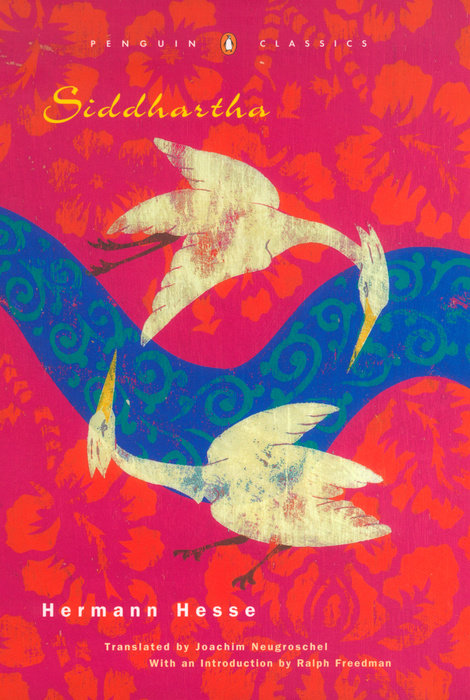
Siddhartha
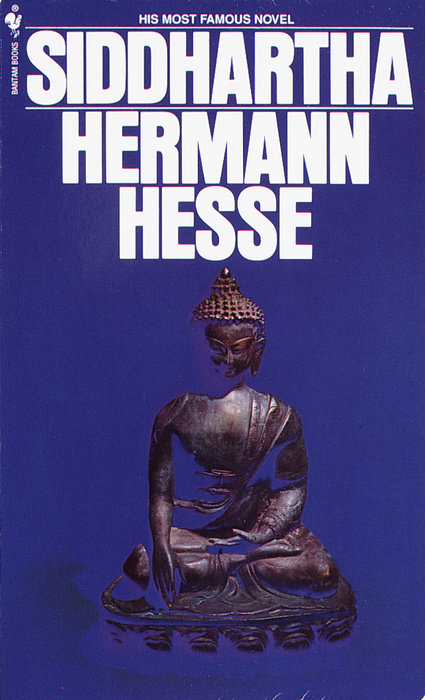
Siddhartha
Siddhartha

Books

Steppenwolf
Demian
Siddhartha
Siddhartha
Siddhartha

Books for Black History Month

In honor of Black History Month this February, we are highlighting essential fiction and nonfiction for students, teachers, and parents to share and discuss this month and beyond. Join Penguin Random House Education in celebrating the contributions of Black authors and illustrators by exploring the titles here: BLACK HISTORY – MIDDLE SCHOOL BLACK HISTORY –

Read more