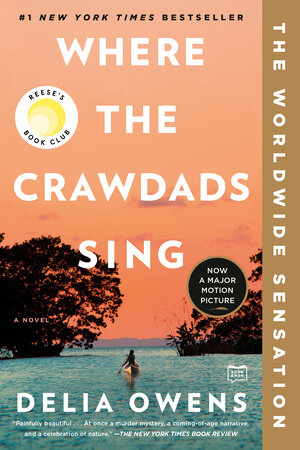
Where the Crawdads Sing, the #1 New York Times bestselling book by Delia Owens has been adapted into a major motion picture, coming to theaters nationwide on July 15.
For years, rumors of the “Marsh Girl” have haunted Barkley Cove, a quiet town on the North Carolina coast. So in late 1969, when handsome Chase Andrews is found dead, the locals immediately suspect Kya Clark, the so-called Marsh Girl. But Kya is not what they say. Sensitive and intelligent, she has survived for years alone in the marsh that she calls home, finding friends in the gulls and lessons in the sand. Then the time comes when she yearns to be touched and loved. When two young men from town become intrigued by her wild beauty, Kya opens herself to a new life–until the unthinkable happens.Where the Crawdads Sing is at once an exquisite ode to the natural world, a heartbreaking coming-of-age story, and a surprising tale of possible murder. Owens reminds us that we are forever shaped by the children we once were, and that we are all subject to the beautiful and violent secrets that nature keeps.
The #1 New York Times bestselling worldwide sensation with more than 12 million copies sold, "a painfully beautiful first novel that is at once a murder mystery, a coming-of-age narrative and a celebration of nature" (The New York Times Book Review), now in paperback for the first time.
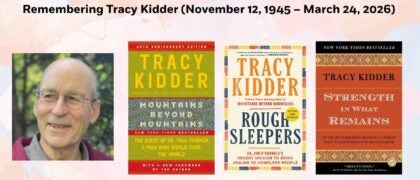
Tracy Kidder, Pulitzer Prize-winning author, has passed away at age 80. Tracy Kidder’s books covered subjects as wide-ranging as global public health, computer science, education, construction, and homelessness, but they were all united by his trademark research and dogged reporting that provided the foundations for stories of real people, passionately committed to their work. In
May is Mental Health Awareness Month and educators are increasingly aware that integrating social-emotional learning into the curriculum is critical if we want students to succeed both in and out of the classroom. Download the thematic educator guides on Teaching About Anxiety and Mindfulness and Teaching About Student Wellness. Explore our specially curated collections on


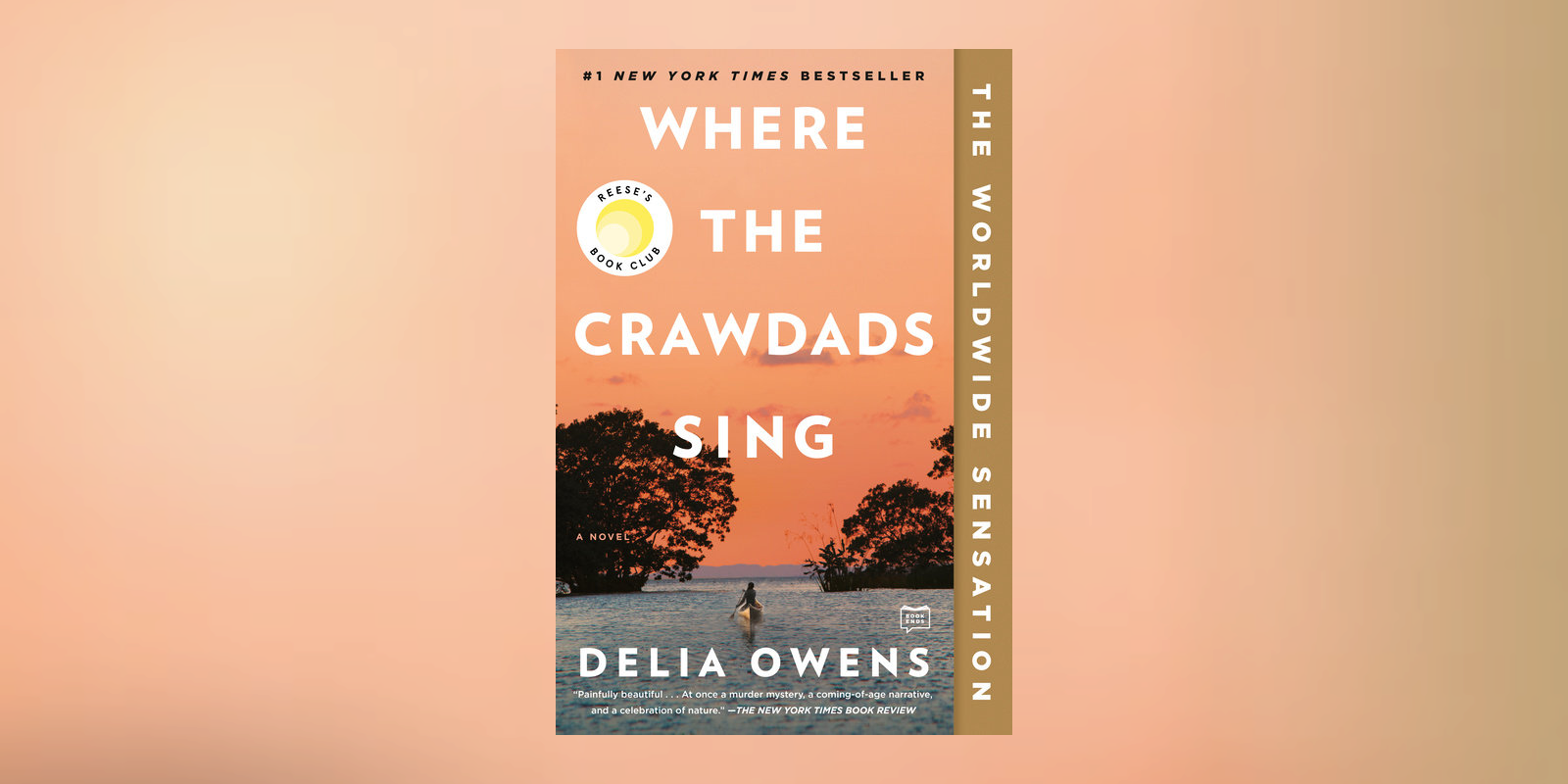
 Where the Crawdads Sing, the #1 New York Times bestselling book by Delia Owens has been adapted into a major motion picture, coming to theaters nationwide on July 15.