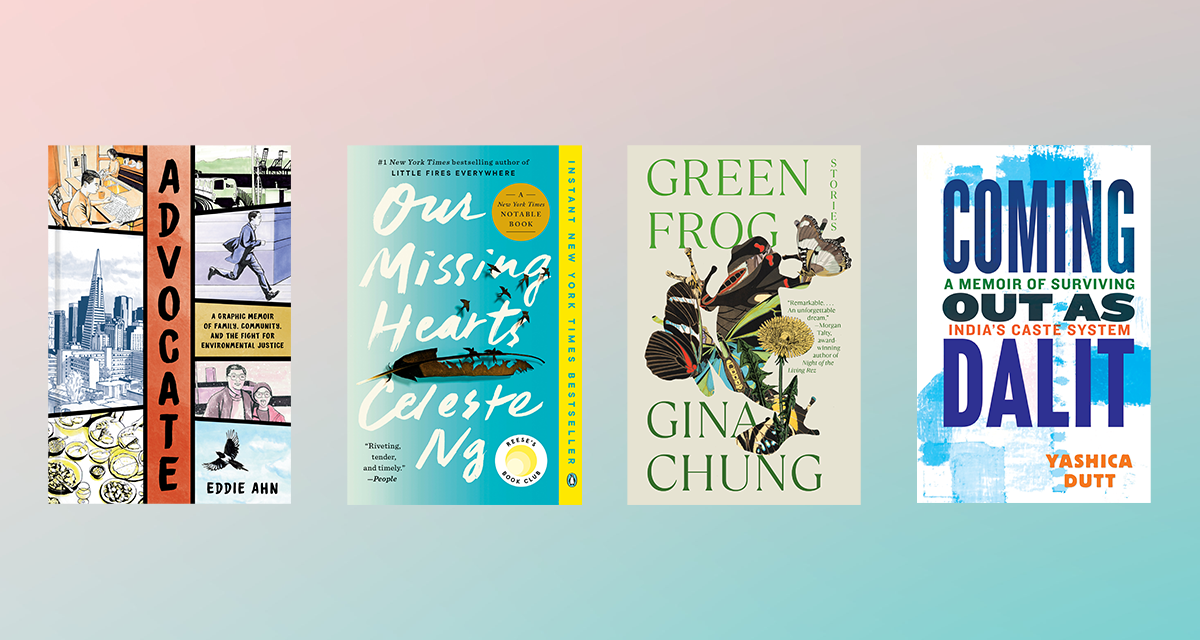
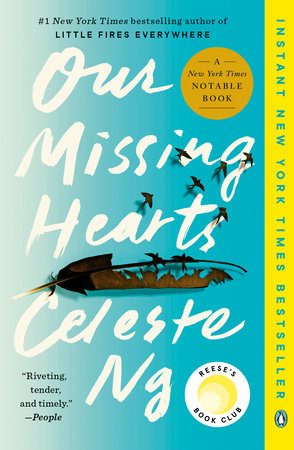
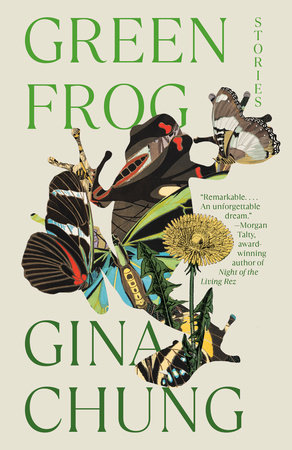
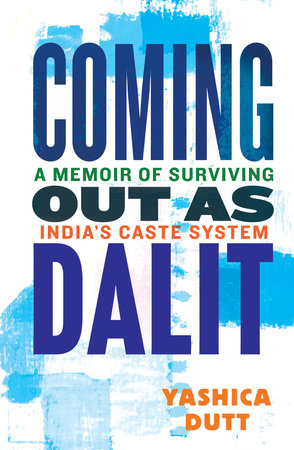
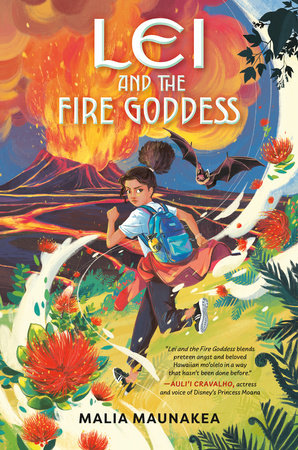
Every May we celebrate the rich history and culture of Asian Americans, Native Hawaiians, and Pacific Islanders. Browse a curated selection of fiction and nonfiction books by AANHPI creators that we think your students will love.

Books for Asian American and Native Hawaiian/Pacific Islander Heritage Month
By Coll Rowe | April 2 2024 | English Language ArtsSocial Studies
- English Language Arts > Genre: Nonfiction > Biographies & Memoirs > Law & Crime
- English Language Arts > Genre: Nonfiction > Biographies & Memoirs > Social Activists
- English Language Arts > Genre: Nonfiction > Graphic Nonfiction > Biographies & Memoirs
- English Language Arts > Genre: Nonfiction > Graphic Nonfiction > Social Topics
- English Language Arts > Genre: Nonfiction > People & Places > Inclusive, Diverse, and Multicultural
- English Language Arts > Genre: Nonfiction > Social Themes > American Dream
- English Language Arts > Genre: Nonfiction > Social Themes > Emigration & Immigration
- Science > Environmental Science & Issues > Global Warming & Climate Change
- Social Studies > Civics & Government > Social Activism & Volunteering
- See More
- English Language Arts > Genre: Fiction > Family > Multigenerational
- English Language Arts > Genre: Fiction > Fantasy > Epic
- English Language Arts > Genre: Fiction > Fantasy > More Fantasy..
- English Language Arts > Genre: Fiction > People & Places by Group > Inclusive, Diverse, and Multicultural
- See More
- English Language Arts > Genre: Nonfiction > Biographies & Memoirs > Graphic Nonfiction Biographies
- English Language Arts > Genre: Nonfiction > Biographies & Memoirs > Social Activists
- English Language Arts > Genre: Nonfiction > Graphic Nonfiction > Biographies & Memoirs
- English Language Arts > Genre: Nonfiction > Graphic Nonfiction > History
- History > World History > Asia > 20th Century
- See More
Related articles
Educators have raised concerns about students’ growing disconnection from the natural world as academic pressures and screen-based learning increases. Coined by Richard Louv as “nature-deficit disorder,” this loss of direct contact with nature has meaningful implications for students’ health, learning, and long-term environmental stewardship. Integrating nature writing and outdoor experiences into the classroom offers a
Read moreIn recent years, educators have emphasized the importance of teaching women’s history as a way to address historical silences and confront contemporary challenges to gender equity. Despite being told that “girls can be anything,” students still encounter women appearing as exceptions rather than central figures shaping history and society. In the urgency of this moment,
Read more