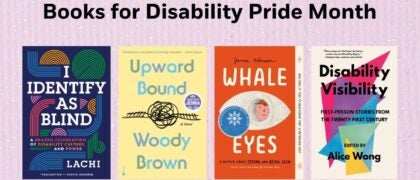
Books for Disability Pride Month
July is Disability Pride Month and we’re highlighting books that center disabled stories and creators. Browse our collections here: Middle School | High School
Read more


July is Disability Pride Month and we’re highlighting books that center disabled stories and creators. Browse our collections here: Middle School | High School
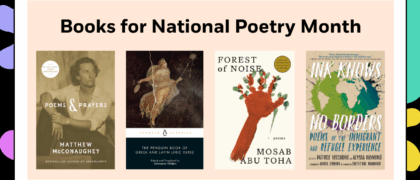
Read moreFor National Poetry Month in April, we’re highlighting a selection of classic and contemporary poetry collections and novels-in-verse. Poetry Month – Middle School Titles Poetry Month – High School Titles Download free thematic educator guides: Middle School Guide on Teaching Poetry High School Guide on Teaching Poetry
Read more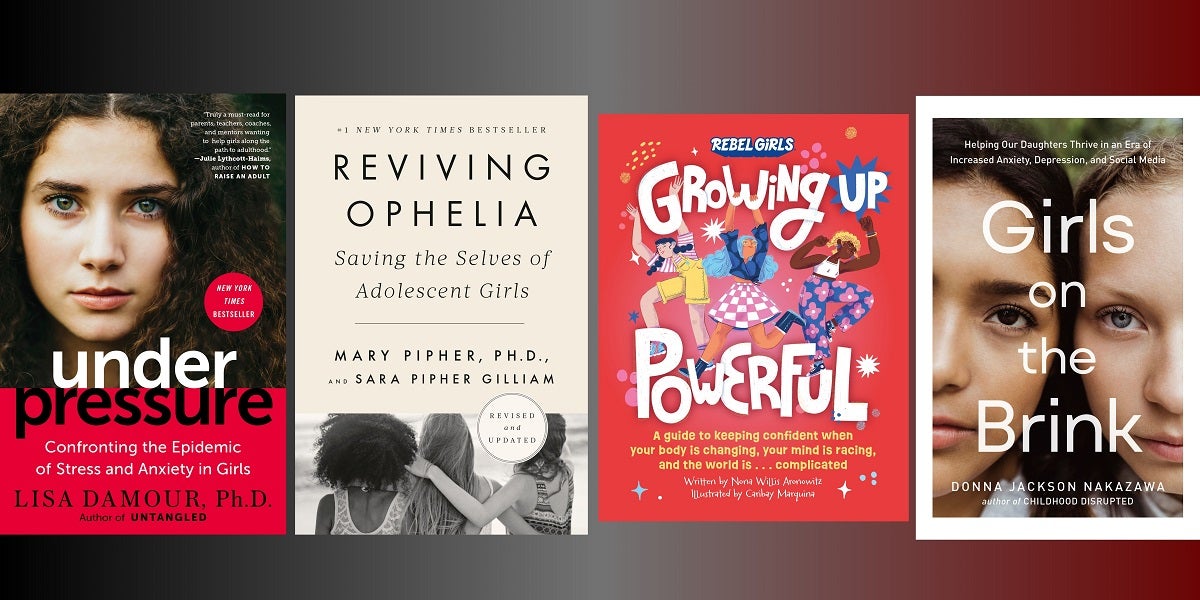
There has been a dramatic rise in poor mental health for teen girls over the past year. According to Reuters, “nearly three in five high school girls reported feeling sad or hopeless in 2021, representing a 60% increase over the past decade, and fared worse than boys of the same age across nearly all measures
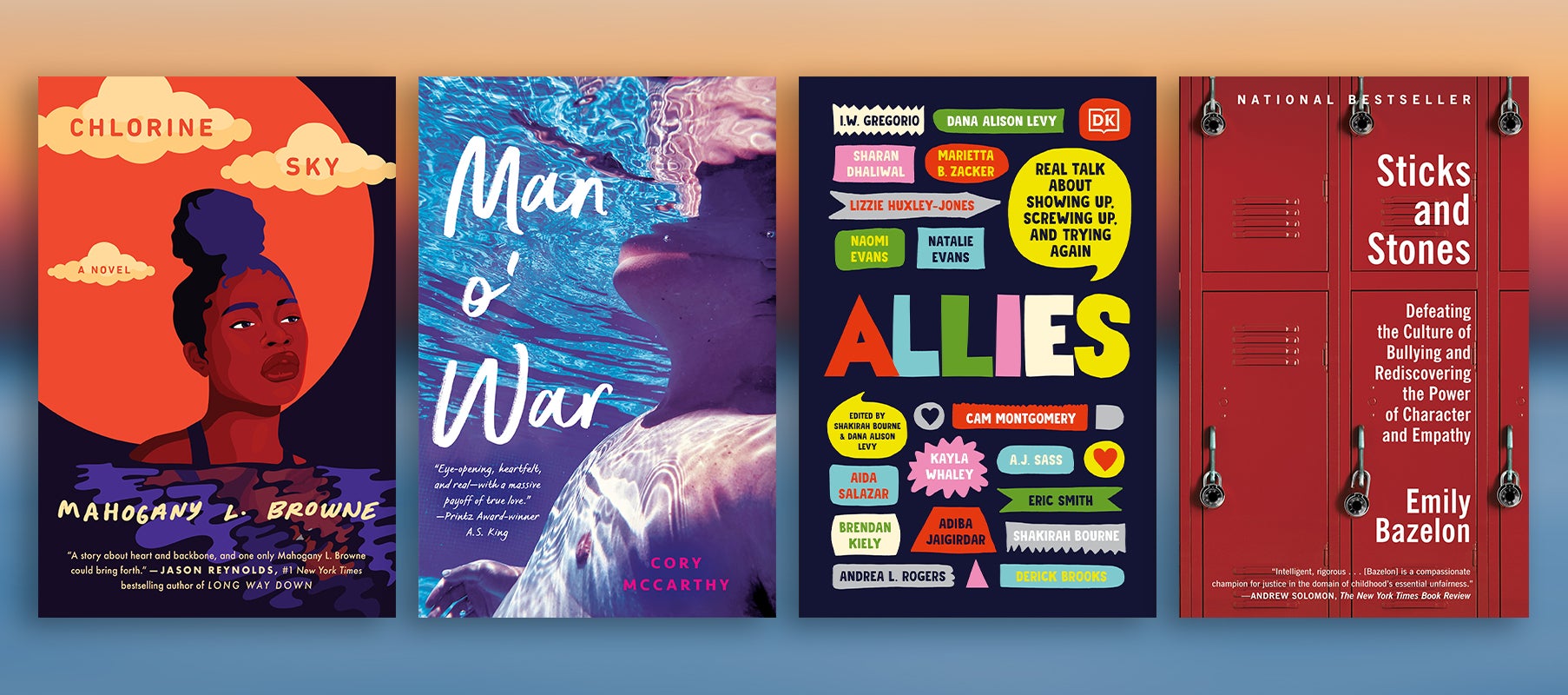
Read morePenguin Random House Education is proud to celebrate National Bullying Prevention Month, which takes place annually in October. We are highlighting works that raise awareness as to the effects that bullying can have on young people and how to be a better ally to those who might be a target of bullying. Here is a
Read more