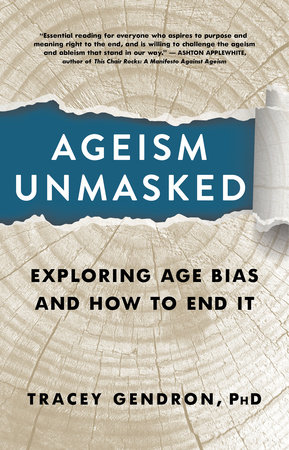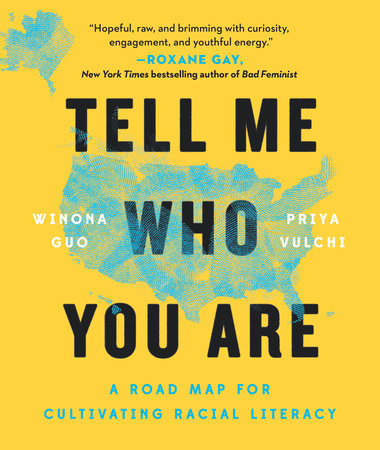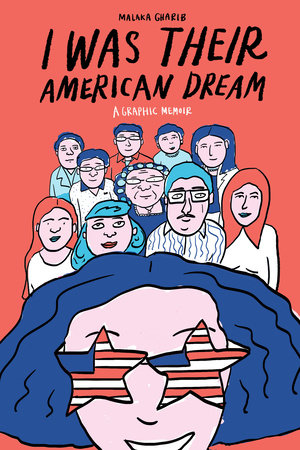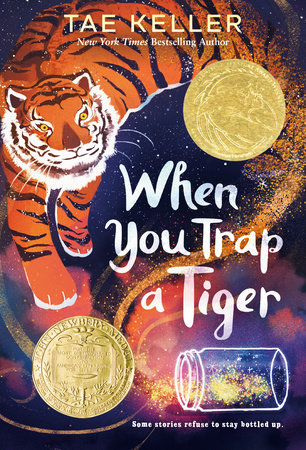
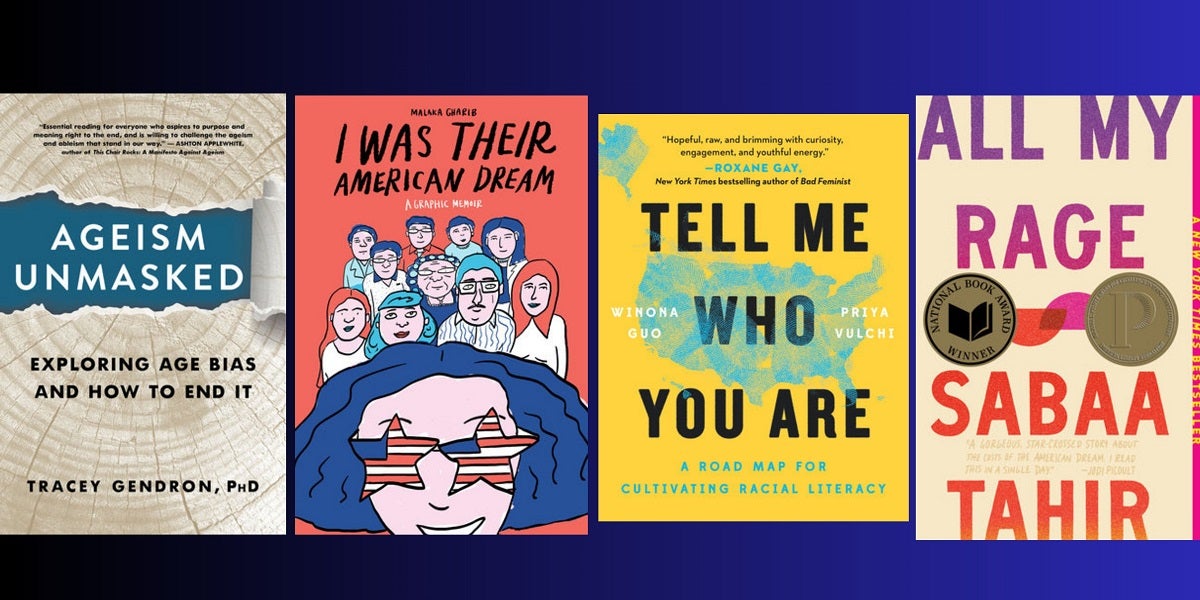
New York City recently introduced a pilot curriculum around ageism for students at 13 Brooklyn high schools. It was launched to help students learn about the harmful effects of age discrimination and to guide them to engage in meaningful conversations with older adults in their lives. We’ve put together a collection of titles to foster classroom discussions, touching on themes of family, intergenerational relationships, empathy, as well as professional reading recommendations about ageism.
Books for Teaching Anti-Ageism
By Kaitlyn Spotts | April 14 2023 | General
- English Language Arts > Genre: Fiction > People & Places by Group > Asian American
- English Language Arts > Genre: Fiction > Social Themes > Coming of Age
- English Language Arts > Genre: Fiction > Social Themes > Dating & Sex
- English Language Arts > Genre: Fiction > Social Themes > Drugs, Alcohol, and Substance Abuse
- English Language Arts > Genre: Fiction > Social Themes > Emigration & Immigration
- English Language Arts > Genre: Fiction > Social Themes > Physical & Emotional Abuse
- English Language Arts > Genre: Fiction > Social Themes > Prejudice & Racism
- Social Studies > Sociology > Race / Class / Gender
- See More
- Education & Professional Learning > Counseling > Student Life & Student Affairs
- English Language Arts > Genre: Nonfiction > People & Places > Inclusive, Diverse, and Multicultural
- English Language Arts > Genre: Nonfiction > Social Themes > Prejudice & Racism
- Social Studies > Sociology > Introduction to Sociology
- Social Studies > Sociology > Race / Class / Gender
- See More
- English Language Arts > ESL / ELL > Nonfiction
- English Language Arts > Genre: Nonfiction > Biographies & Memoirs > Cultural Heritage
- English Language Arts > Genre: Nonfiction > Biographies & Memoirs > Women
- English Language Arts > Genre: Nonfiction > Family > Multigenerational
- English Language Arts > Genre: Nonfiction > Family > Parents
- English Language Arts > Genre: Nonfiction > Graphic Nonfiction > Biographies & Memoirs
- English Language Arts > Genre: Nonfiction > Graphic Nonfiction > Social Topics
- English Language Arts > Genre: Nonfiction > People & Places > Inclusive, Diverse, and Multicultural
- English Language Arts > Genre: Nonfiction > Social Themes > American Dream
- English Language Arts > Genre: Nonfiction > Social Themes > Emigration & Immigration
- Social Studies > Anthropology > People and Cultures in the United States > Asian American
- Social Studies > Anthropology > People and Cultures in the United States > Middle Eastern American
- Social Studies > Sociology > Family
- Social Studies > Sociology > Race / Class / Gender
- See More
- History > United States History > By Topic > History of African Americans
- History > World History > Africa > Slave Trade and European Imperialism (15th - Early 19th Century)
- Social Studies > Anthropology > People and Cultures in the United States > African American
- Social Studies > Anthropology > People and Cultures in the World > Africa
- See More
- English Language Arts > Genre: Fiction > Family > Multigenerational
- English Language Arts > Genre: Fiction > Family > Parents
- English Language Arts > Genre: Fiction > People & Places by Group > Asian American
- English Language Arts > Genre: Fiction > People & Places by Group > Inclusive, Diverse, and Multicultural
- English Language Arts > Genre: Fiction > People & Places by Group > LGBTQIA+
- English Language Arts > Literature: American > Contemporary
- See More
Related articles
Educators have raised concerns about students’ growing disconnection from the natural world as academic pressures and screen-based learning increases. Coined by Richard Louv as “nature-deficit disorder,” this loss of direct contact with nature has meaningful implications for students’ health, learning, and long-term environmental stewardship. Integrating nature writing and outdoor experiences into the classroom offers a
Read moreIn recent years, educators have emphasized the importance of teaching women’s history as a way to address historical silences and confront contemporary challenges to gender equity. Despite being told that “girls can be anything,” students still encounter women appearing as exceptions rather than central figures shaping history and society. In the urgency of this moment,
Read more