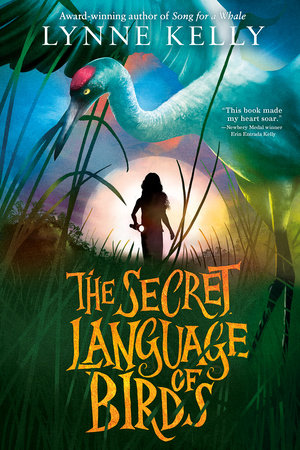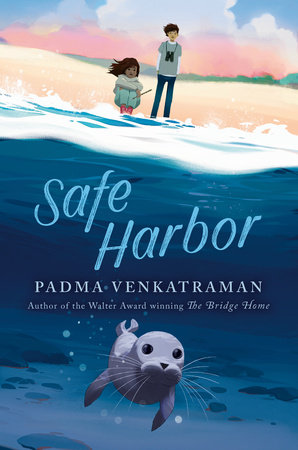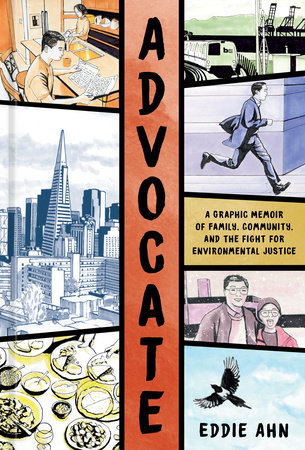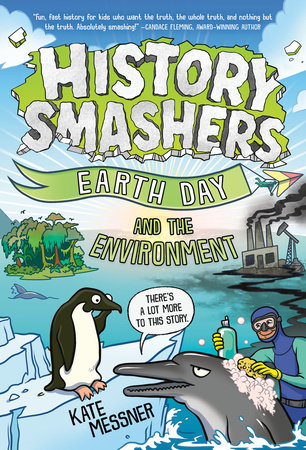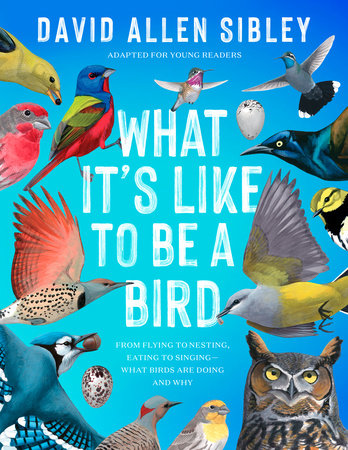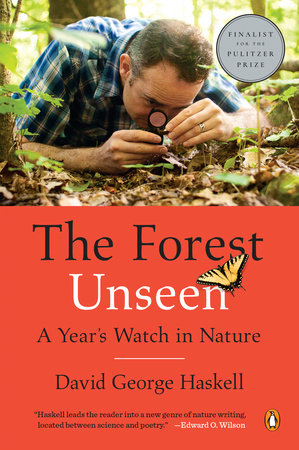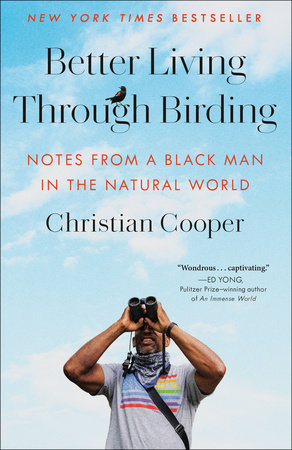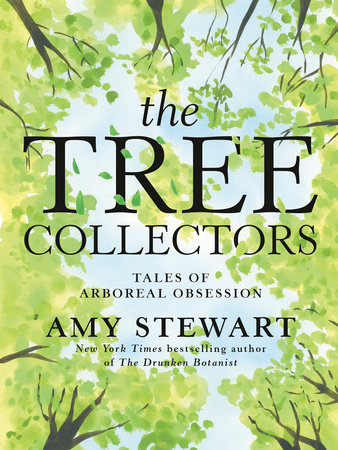

Educators have raised concerns about students’ growing disconnection from the natural world as academic pressures and screen-based learning increases. Coined by Richard Louv as “nature-deficit disorder,” this loss of direct contact with nature has meaningful implications for students’ health, learning, and long-term environmental stewardship. Integrating nature writing and outdoor experiences into the classroom offers a powerful way to reconnect students to their local environments while cultivating curiosity, well-being, and a sense of responsibility for the world they inhabit.
Both guides allow teachers in multiple subject areas to integrate whole texts or excerpts into their lesson plans. Conservation isn’t just a science issue: all classes should address the value of nature and the environment.
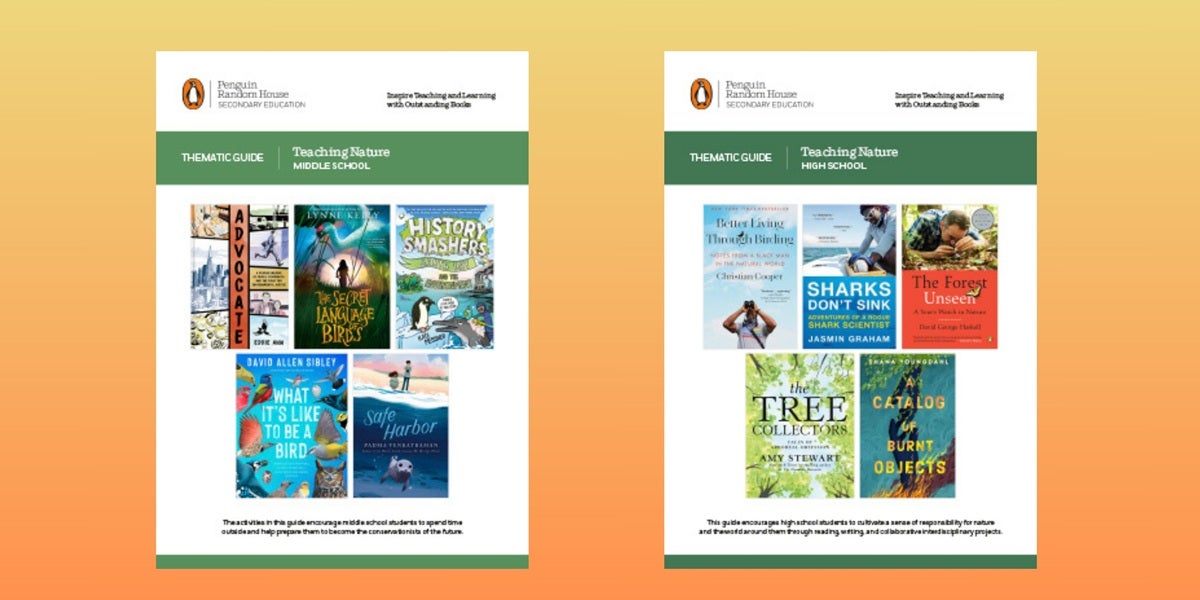
The Teaching Nature Middle School guide encourages middle school students to spend time outside and help prepare them to become the conservationists of the future. The selected texts can be used as whole-class reads, book club choices, and/or independent reading.
The Teaching Nature High School guide empowers high school students to cultivate a sense of responsibility for nature and the world around them through reading, writing, and collaborative interdisciplinary projects. The activities outlined apply to all texts and can be adapted to whole-class or small-group settings such as seminars, literature circles, debates, and whole-class discussions.
Download the free guides for elementary, middle, and high school.